Project Success Starts Here
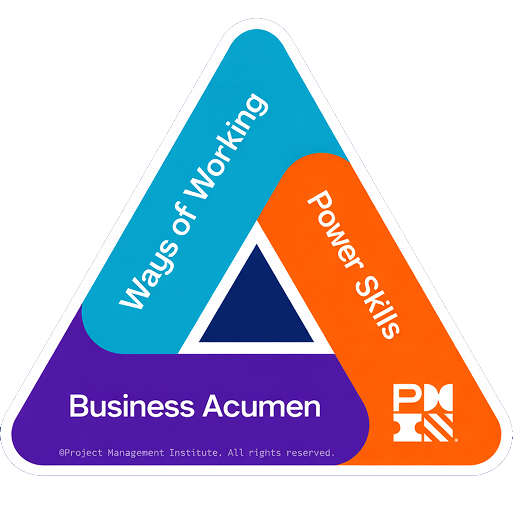
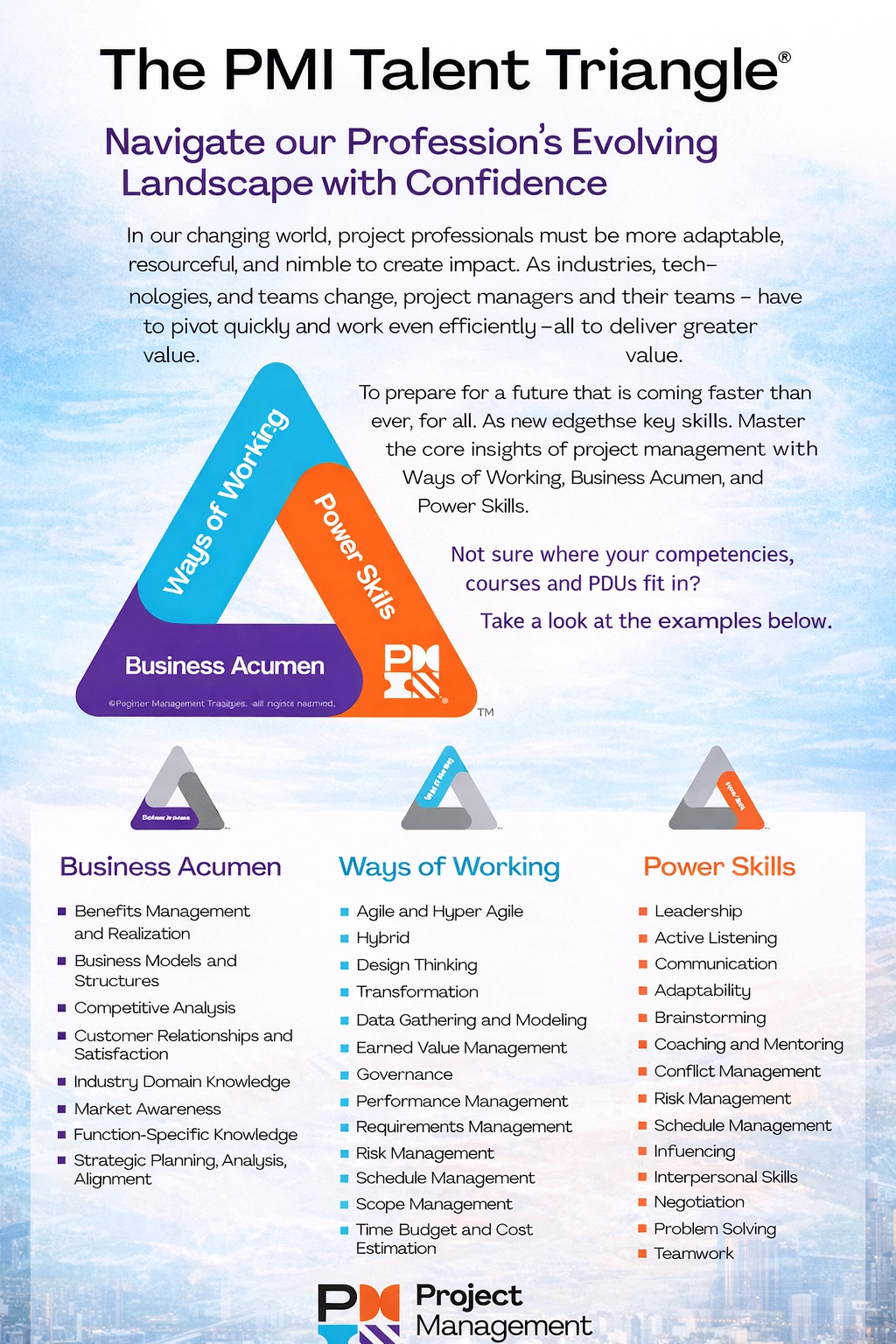
In residential human services—especially within Developmental Disability Programs—project success begins with aligning care delivery to measurable outcomes, regulatory compliance, and person-centered planning. Senior management must move beyond operational oversight to strategic integration, where every initiative—from staffing models to service quality improvements—is treated as a structured project. By applying the PMI Talent Triangle, leaders can strengthen Ways of Working through standardized processes, elevate Power Skills to lead multidisciplinary teams effectively, and deepen Business Acumen to ensure sustainability, funding alignment, and long-term impact.
Success in this space is not accidental—it is designed. Embedding project management principles into Developmental Disability Program frameworks enables organizations to deliver consistent, compliant, and high-quality care while adapting to evolving state and federal requirements. Senior leaders who embrace this approach position their programs to reduce risk, improve outcomes for individuals served, and drive organizational excellence. Ultimately, project success starts where leadership, strategy, and compassionate service intersect.
Conditional learning
Conditional learning is learning that develops when a behavior, response, or decision becomes linked to specific conditions, cues, or consequences. In practice, it reflects the idea that people and teams learn what to do based on what happens before and after an action. In human services, this can show up when staff reliability improves because expectations, coaching, reinforcement, and accountability are consistently tied to medication administration, incident reporting, or behavior-support routines. This idea aligns with established learning theory traditions such as conditioning and consequence-based learning, even though “conditional learning” itself is often used more loosely in practice than as a single formal model.
Real-time DD/PMI scenario:
A residential program is trying to reduce late documentation. Senior leaders set a clear condition: documentation completed before shift close triggers positive supervisory recognition and cleaner audit scores, while incomplete records trigger follow-up coaching. In PMI terms, this supports Ways of Working through standardized process control, Power Skills through feedback and supervision, and Business Acumen through reduced compliance risk and better payer readiness.
Transfer learning
Transfer learning is the ability to apply knowledge or skills learned in one setting to a different but related setting. In workforce development, it means staff do not just memorize a procedure; they can carry what they learned into new homes, new residents, new teams, or new operational demands. In organizational terms, it is what turns training into usable capability. This concept is widely recognized in education and adult learning research as a core test of whether learning has actually “stuck.”
Real-time DD/PMI scenario:
After one residence successfully implements a new person-centered safety huddle, leadership replicates the model across five group homes. That is transfer learning at the program level: lessons from one pilot are moved into another setting. In PMI language, leaders are scaling a proven method through Ways of Working, using Power Skills to build adoption, and applying Business Acumen by spreading a model that improves quality without redesigning from scratch at every site.
Self-taught” is not a formal term within learning theory in the same way as concepts like experiential or transfer learning. A more precise description refers to an individual’s internal reflection—self-talk, self-assessment, and introspection about their actions, beliefs, and performance. These internal processes are important because they shape confidence, decision-making, emotional control, and a person’s openness to growth. Research on self-reflection and introspection highlights how critical this internal dialogue is for understanding oneself and adapting behavior.
Example (DD/PMI context):
After a critical incident, a house manager might reflect: “Did I escalate too quickly? Was my communication clear with the nurse and DSP team? What could I do differently next time?” This kind of reflection builds leadership maturity over time.
Within a PMI framework, this primarily strengthens Power Skills such as self-awareness, communication, and conflict management. It also enhances Ways of Working, as reflective leaders continuously refine processes through after-action evaluation.